

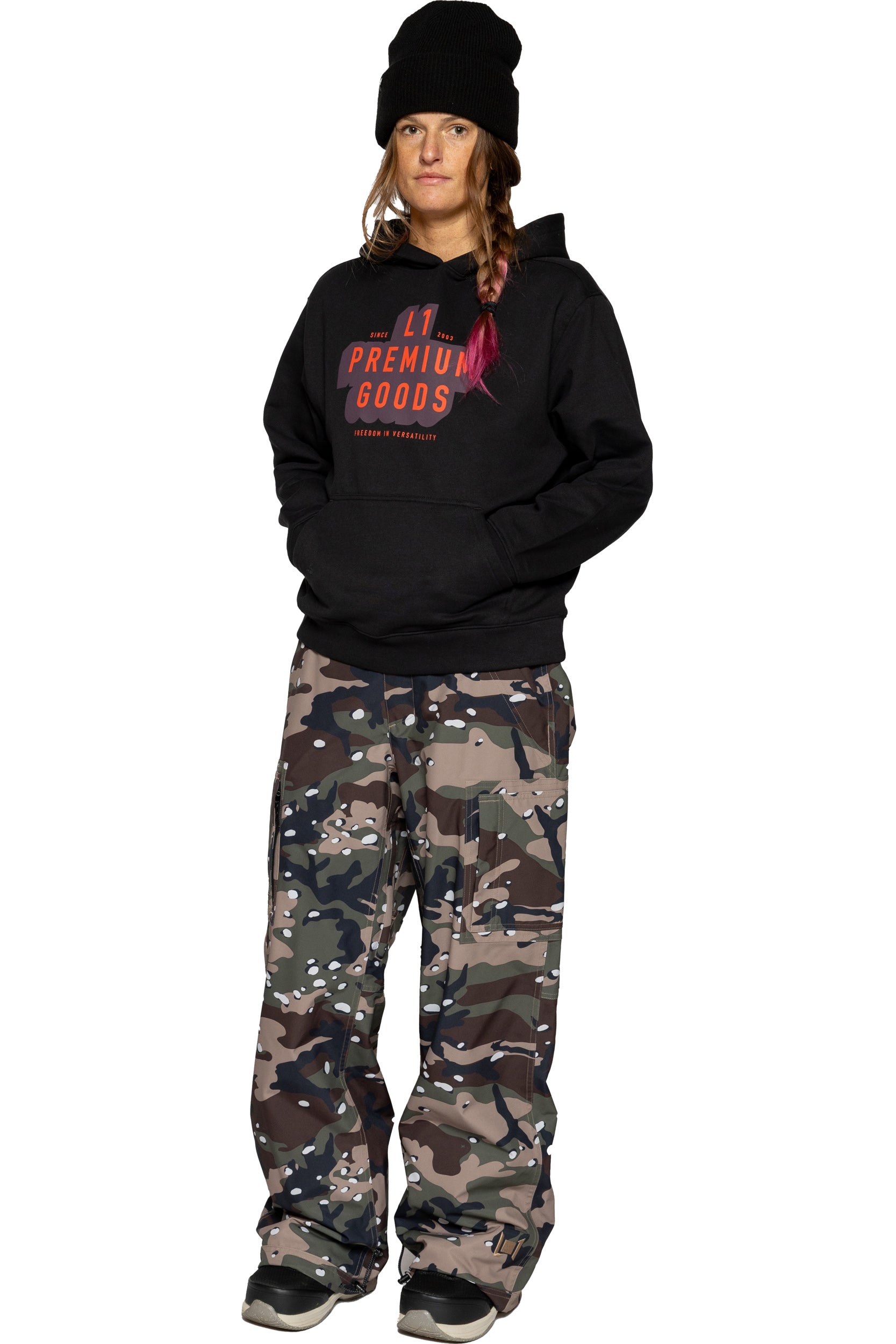
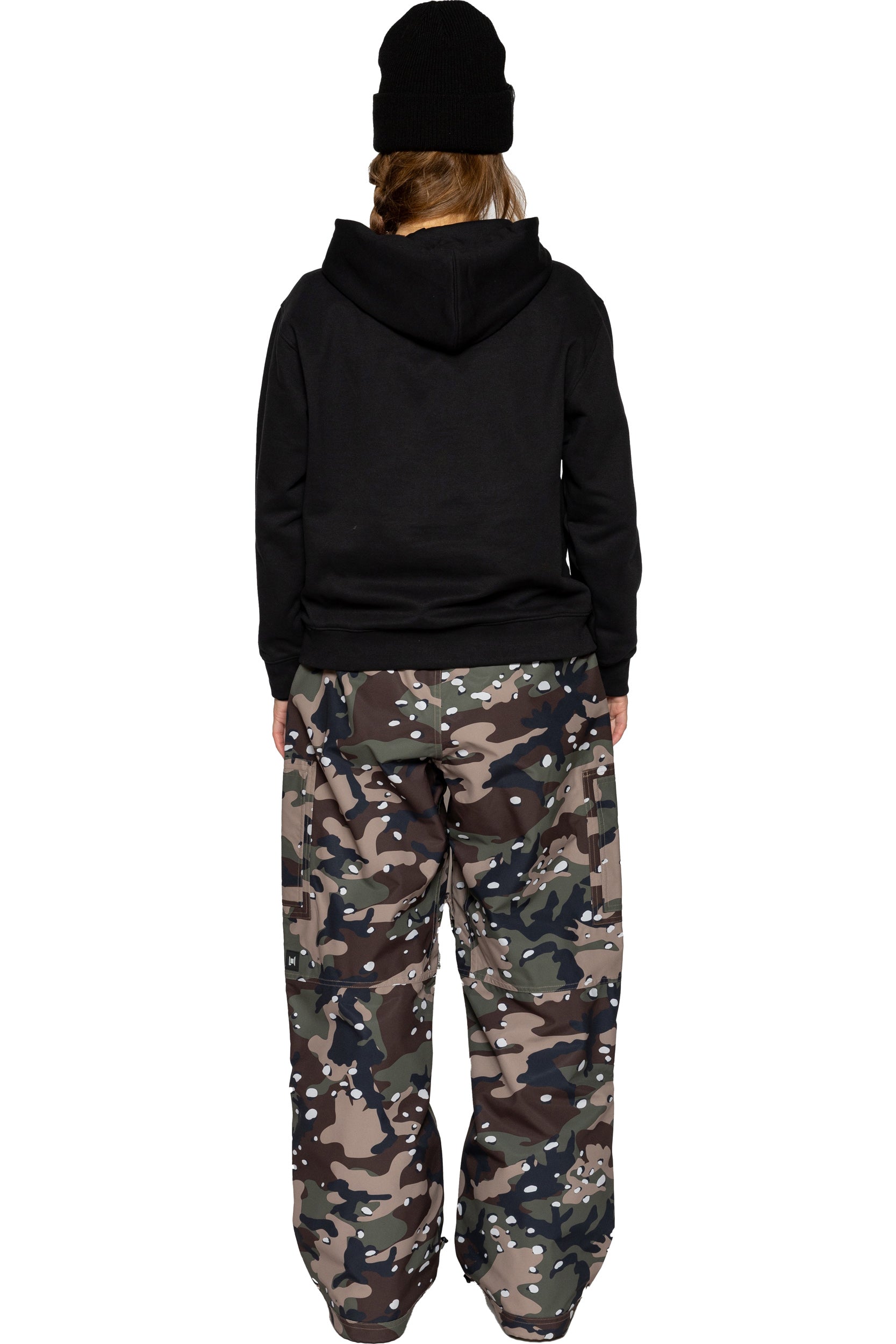
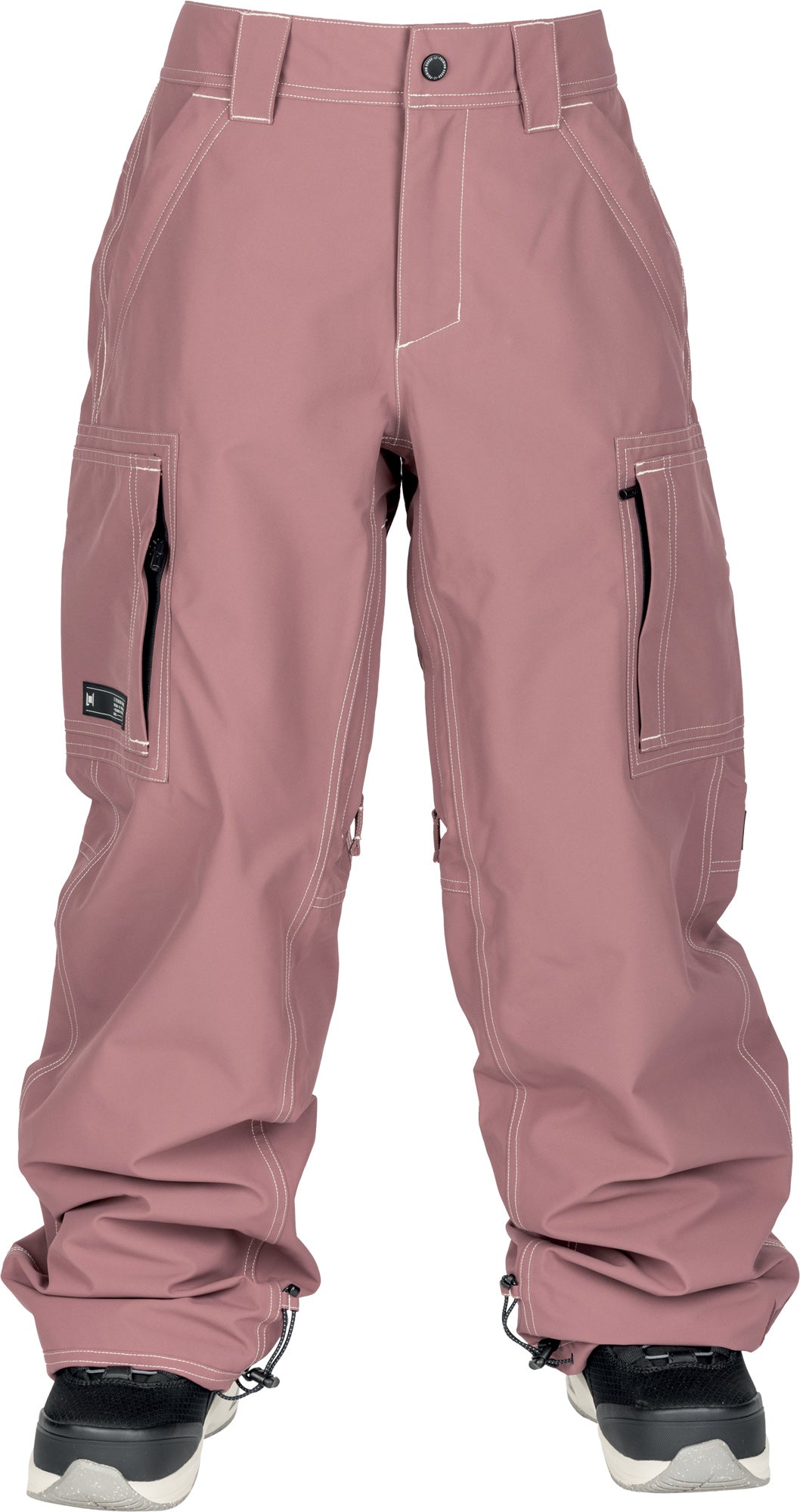
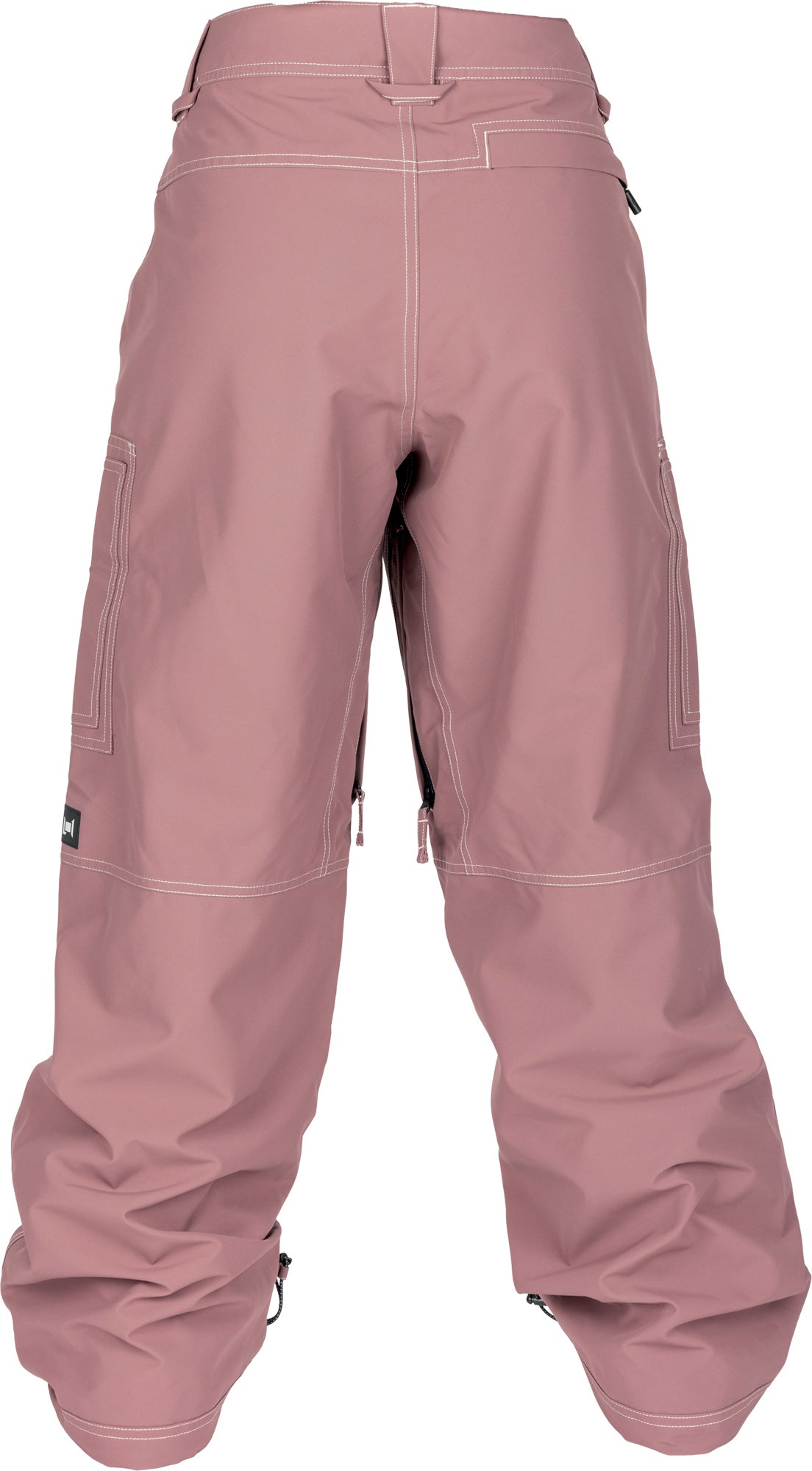
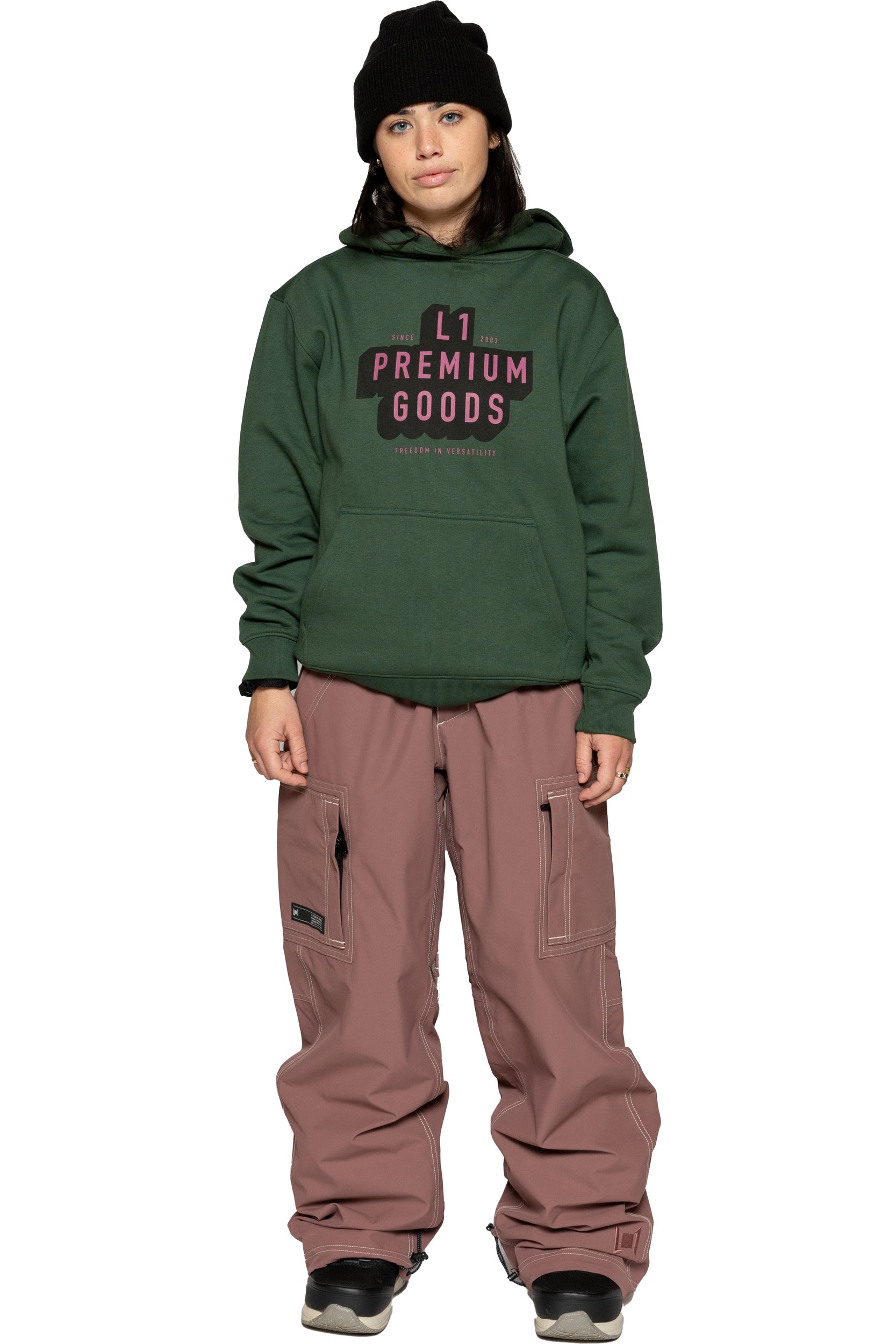
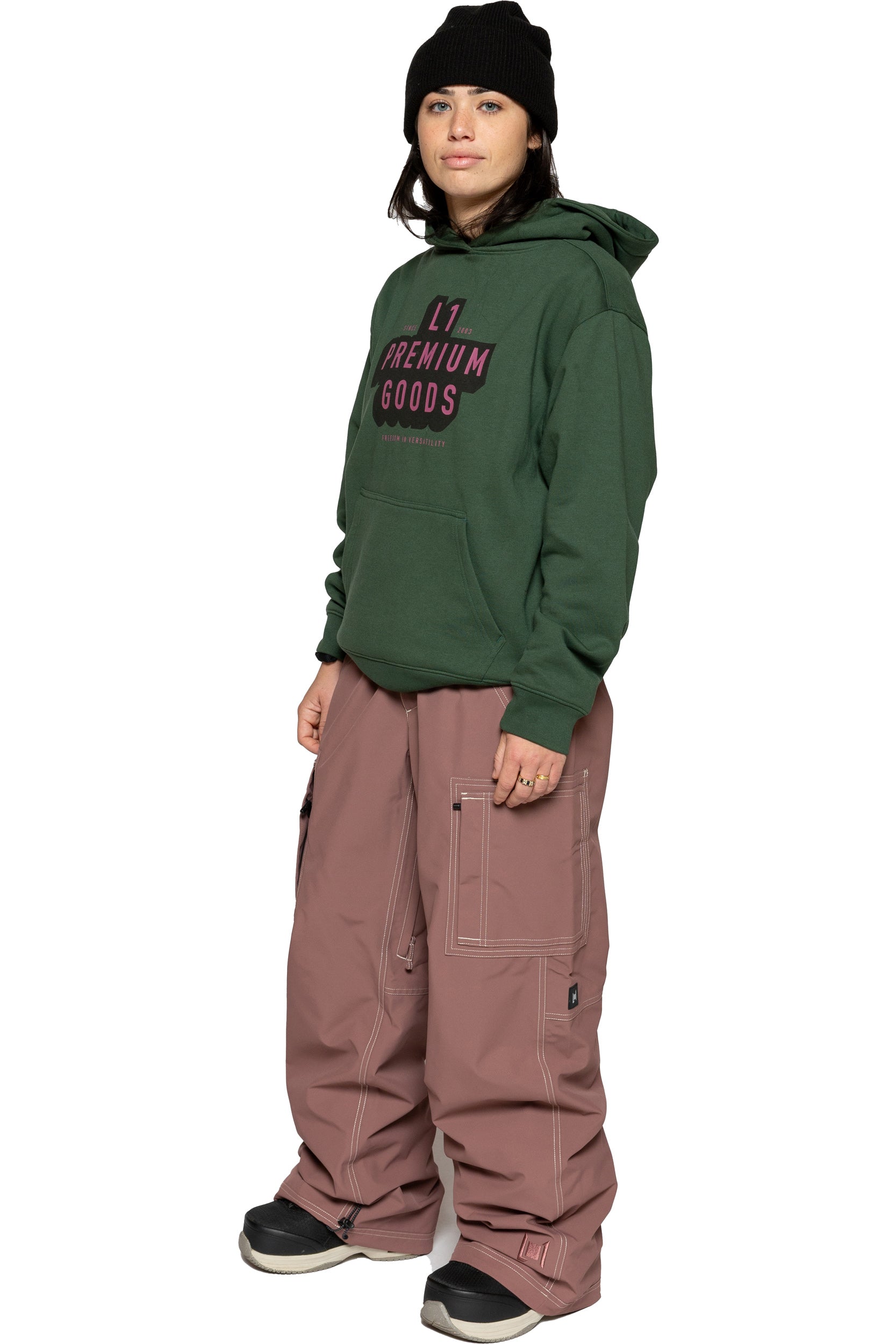
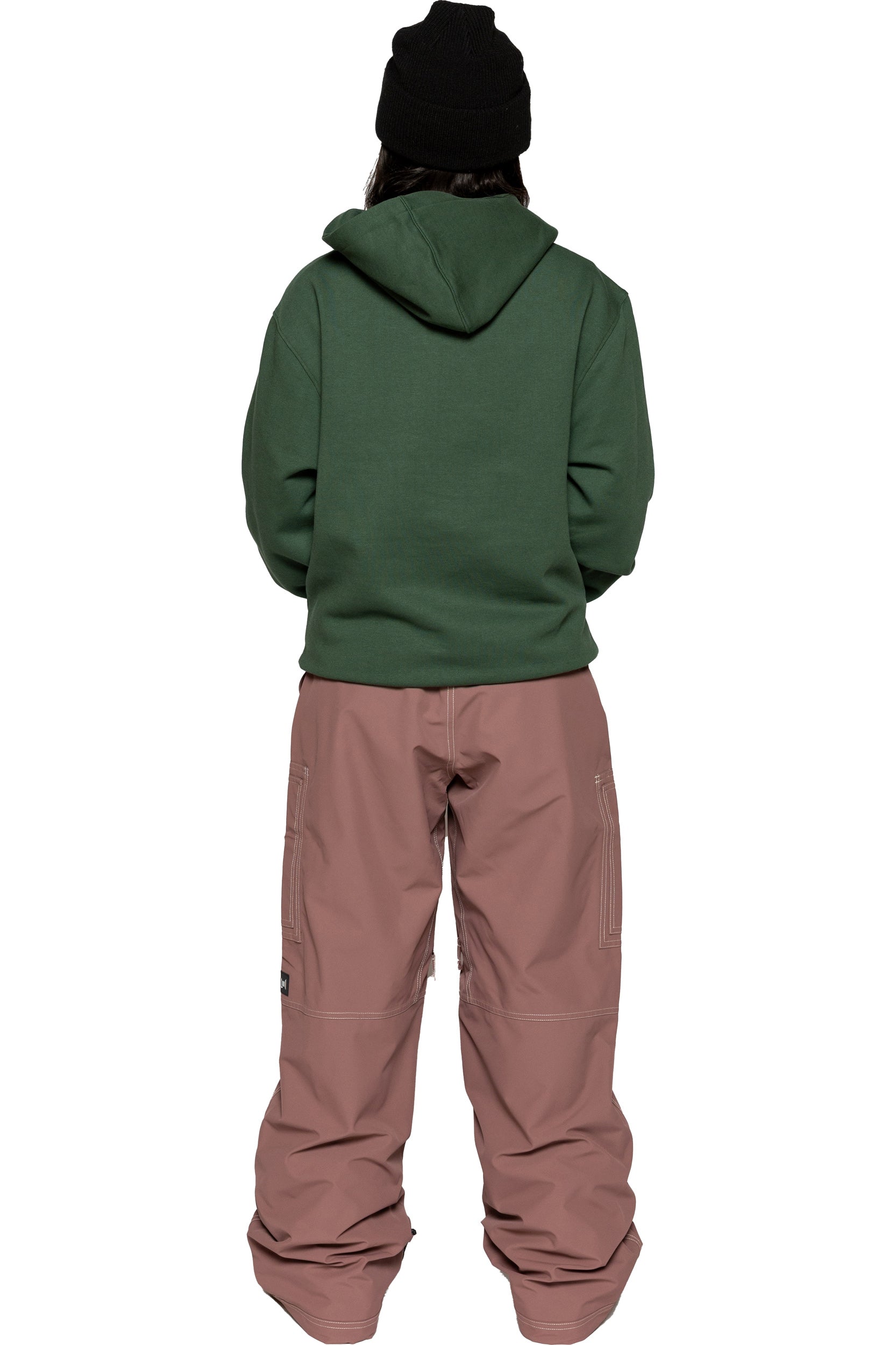
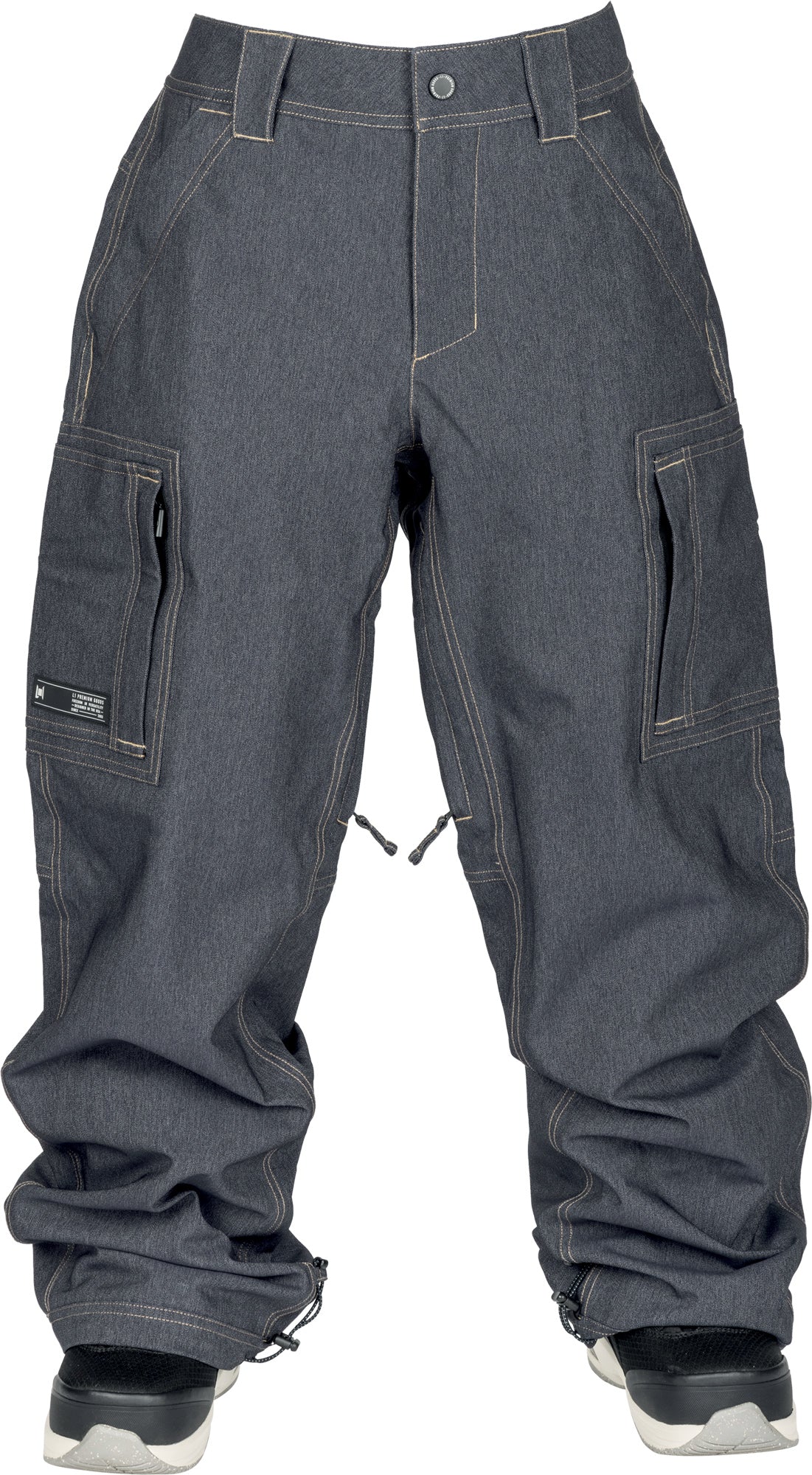
L1 Fairfield Cargo Women's Pant
The Future of Active Fit and Style
Product Information
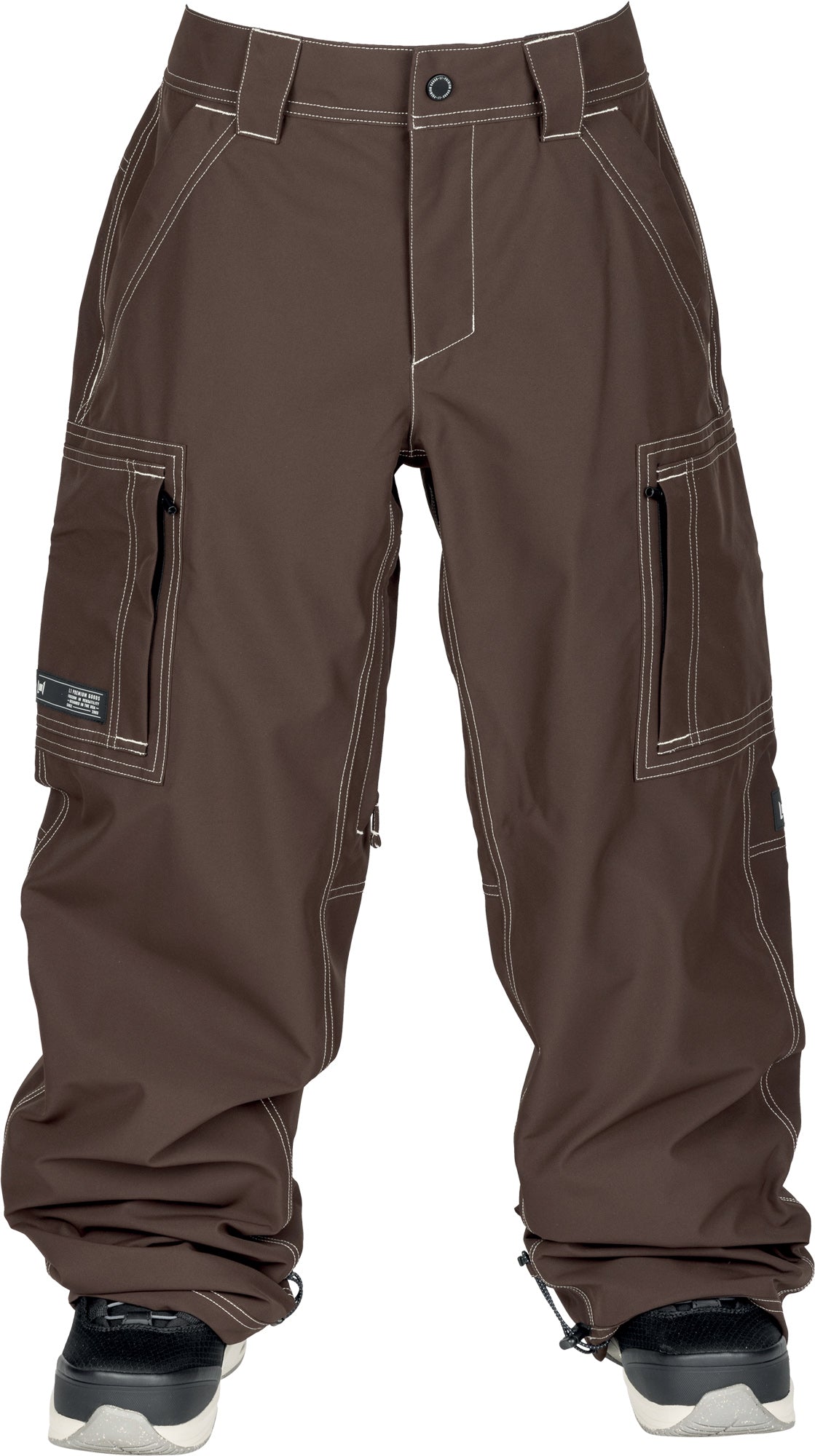
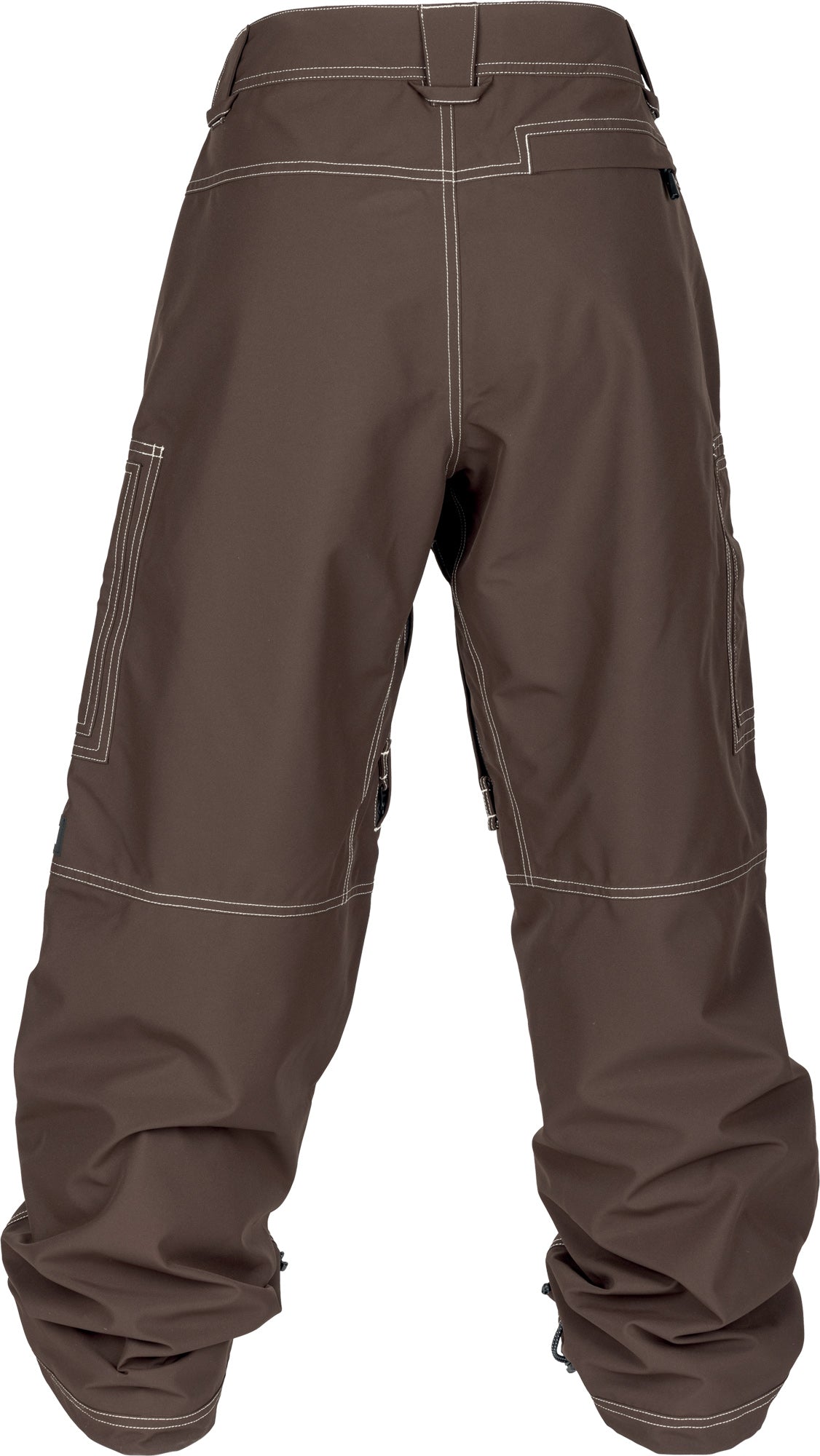
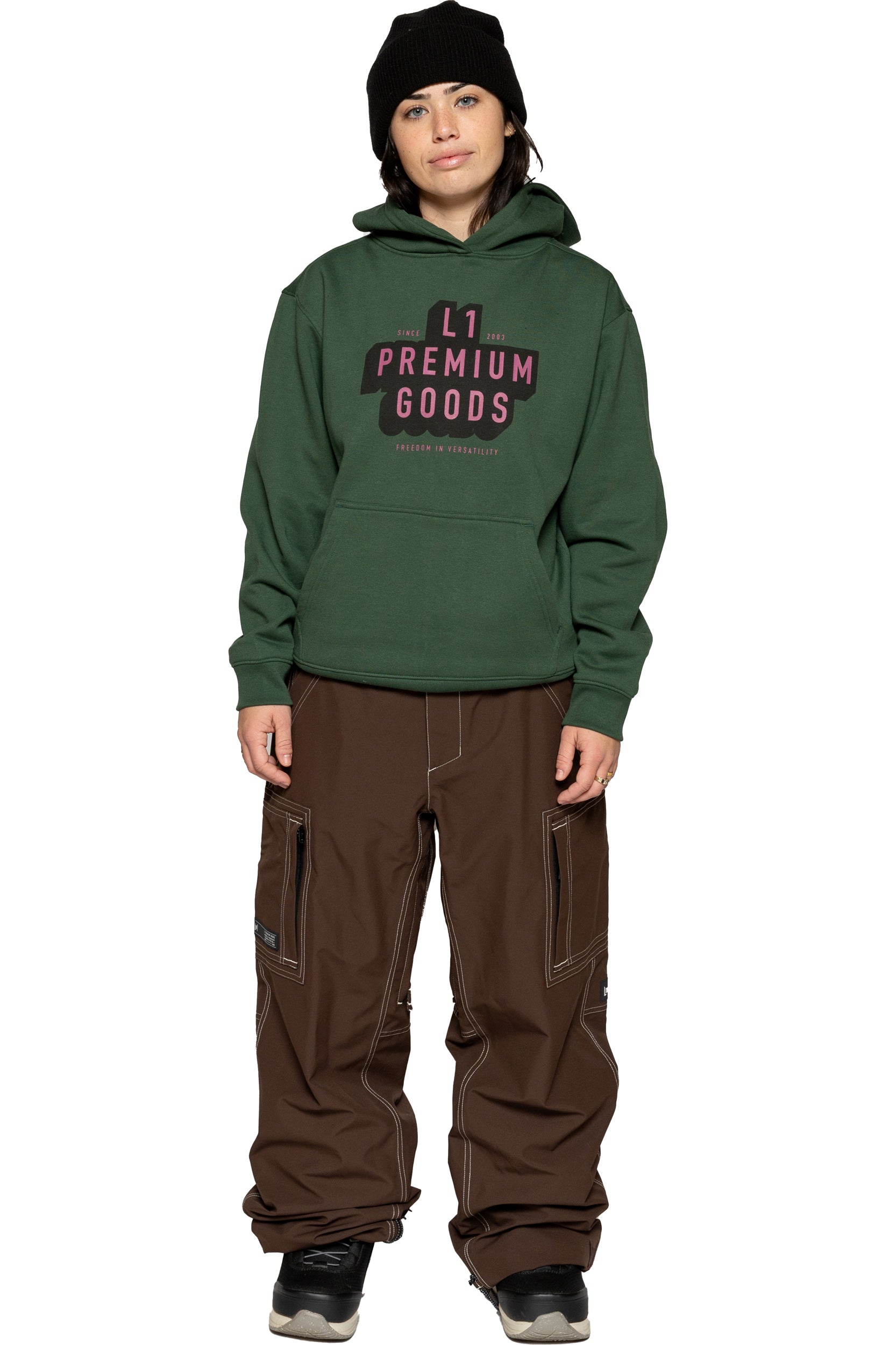
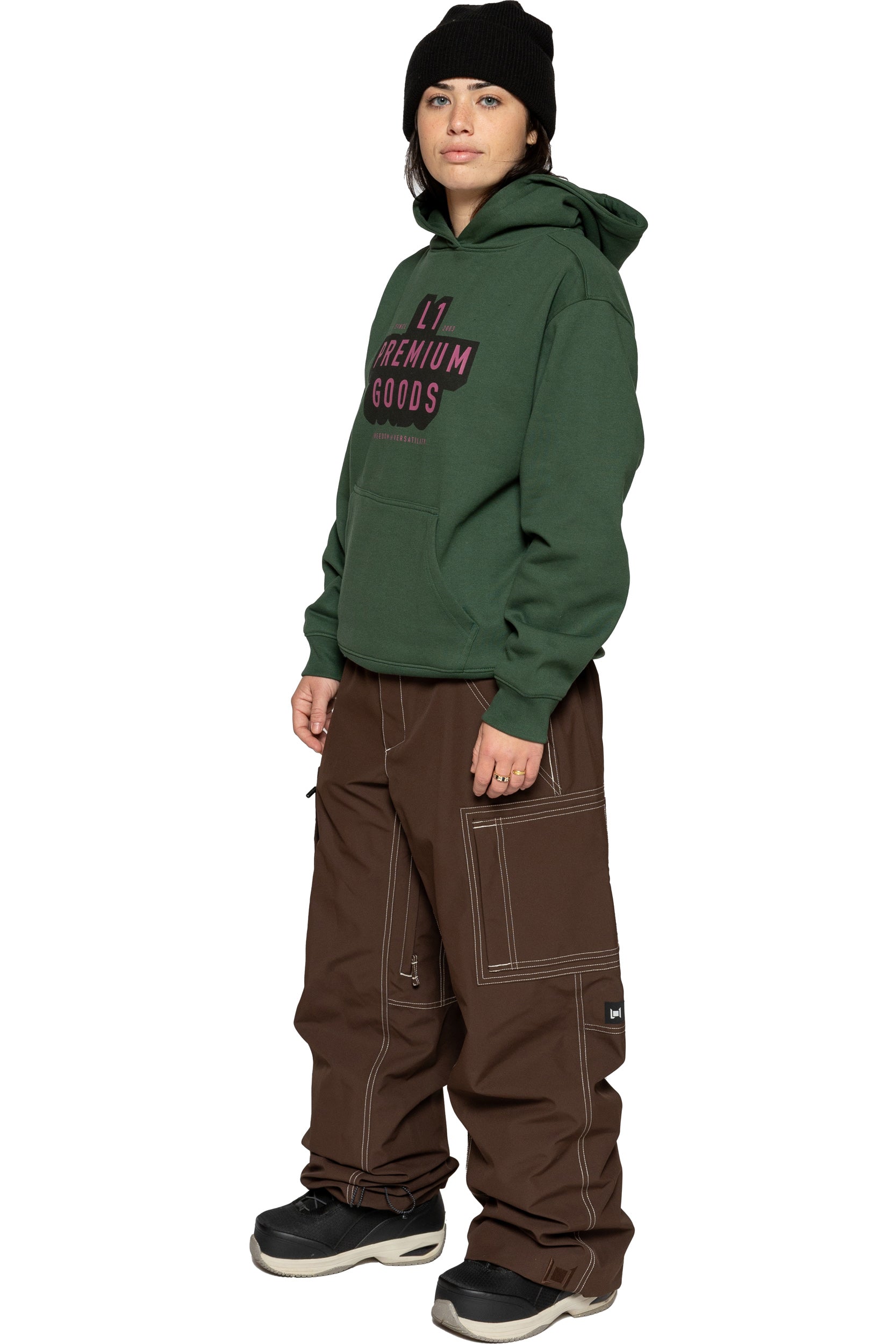
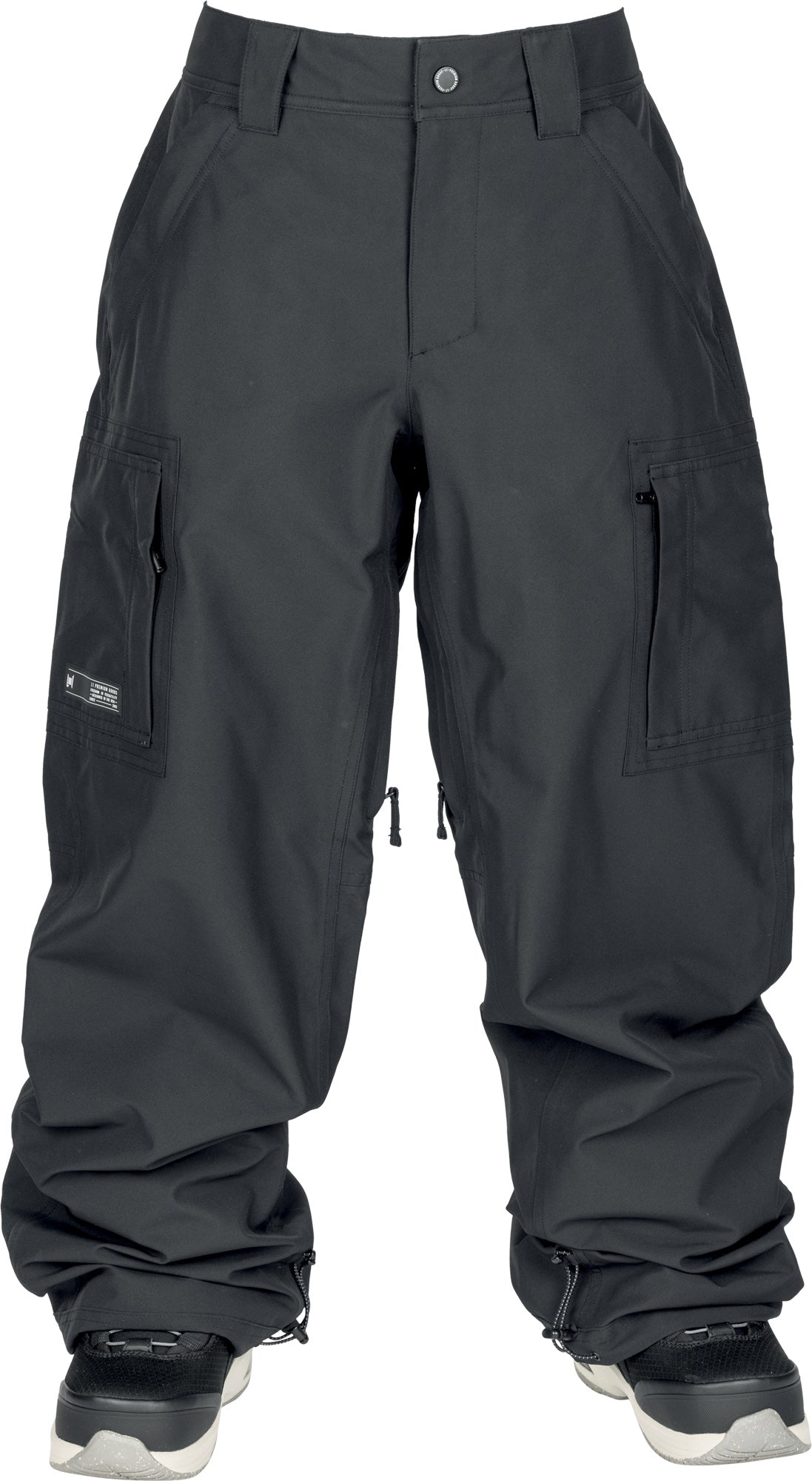
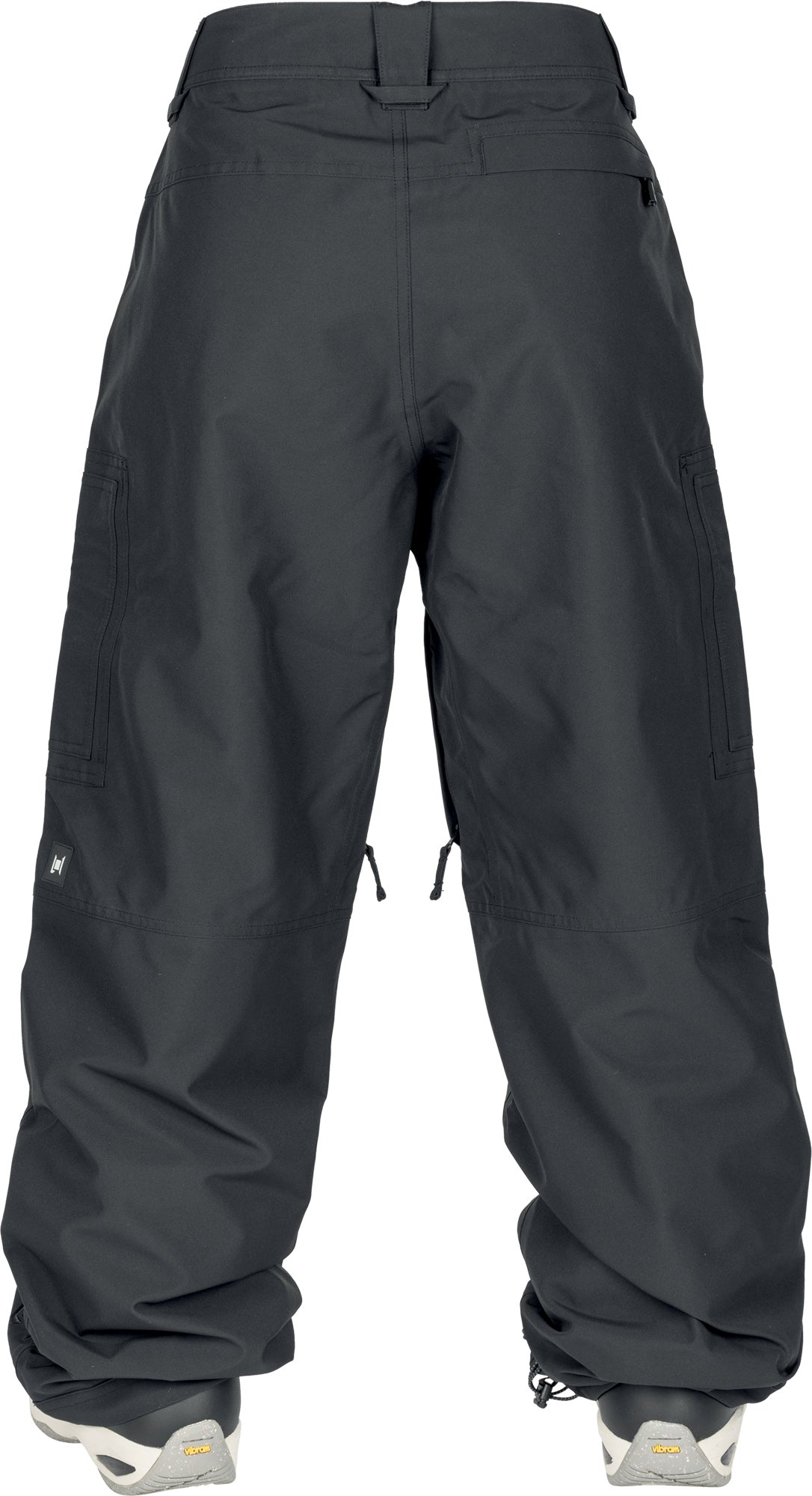
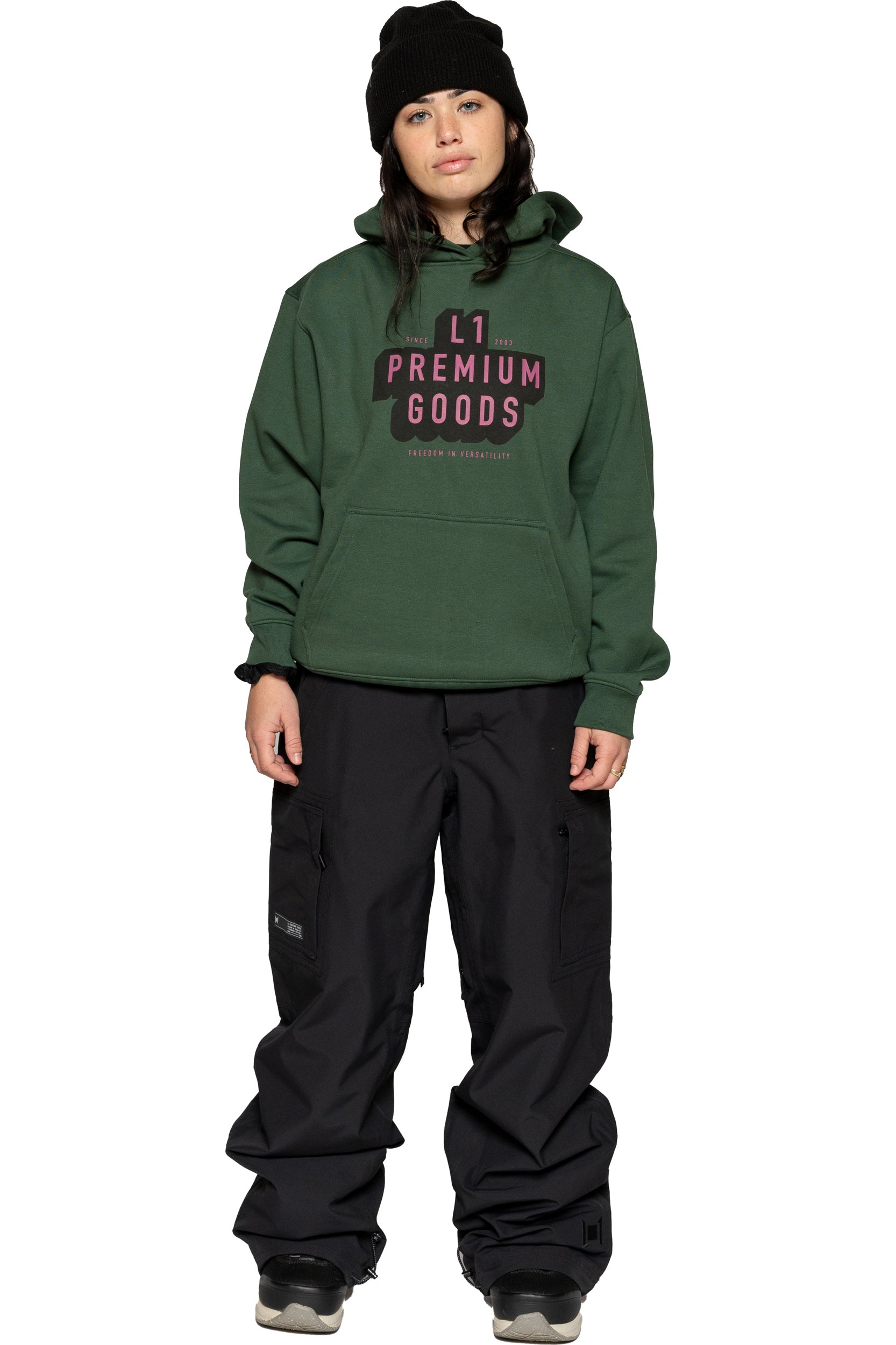
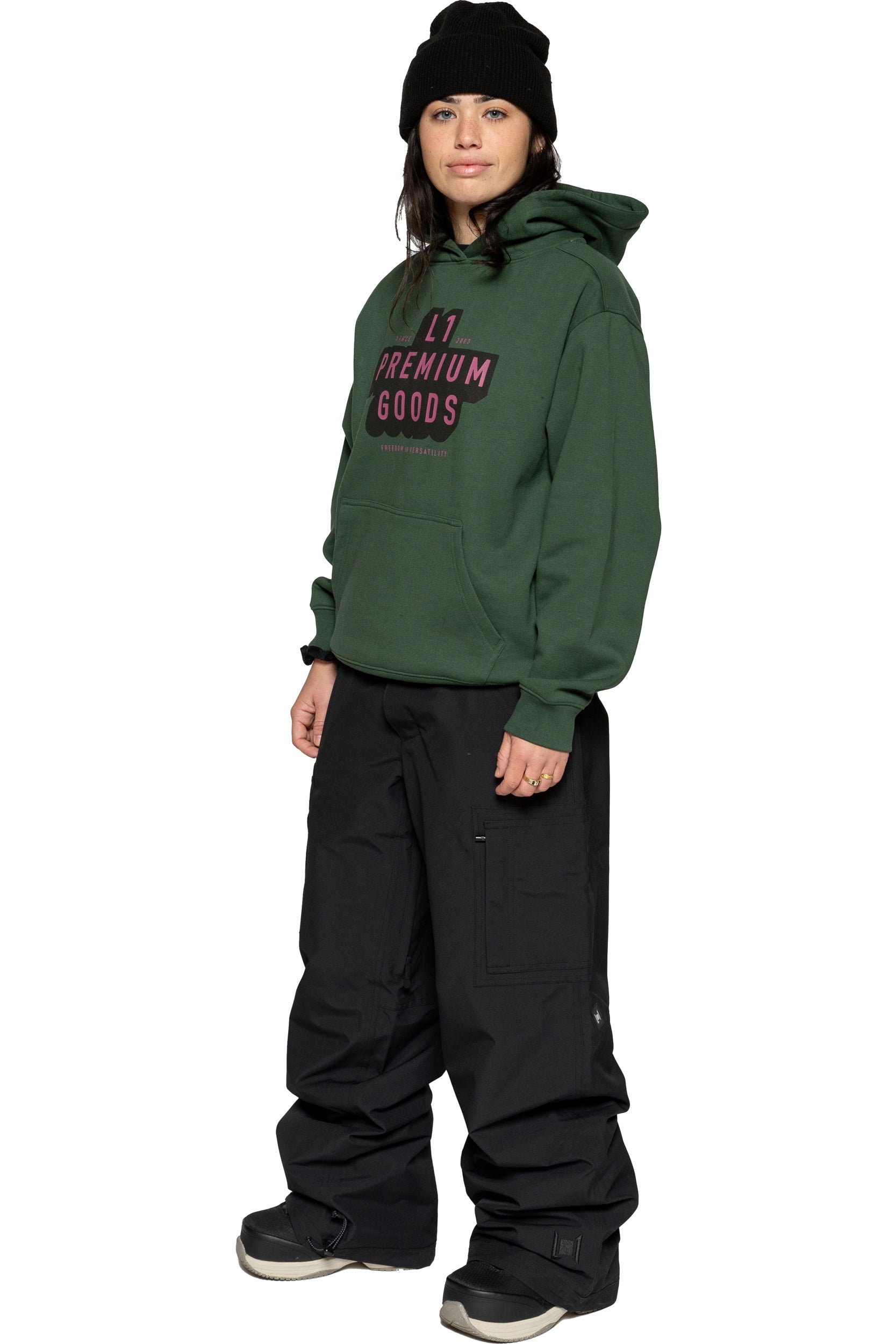
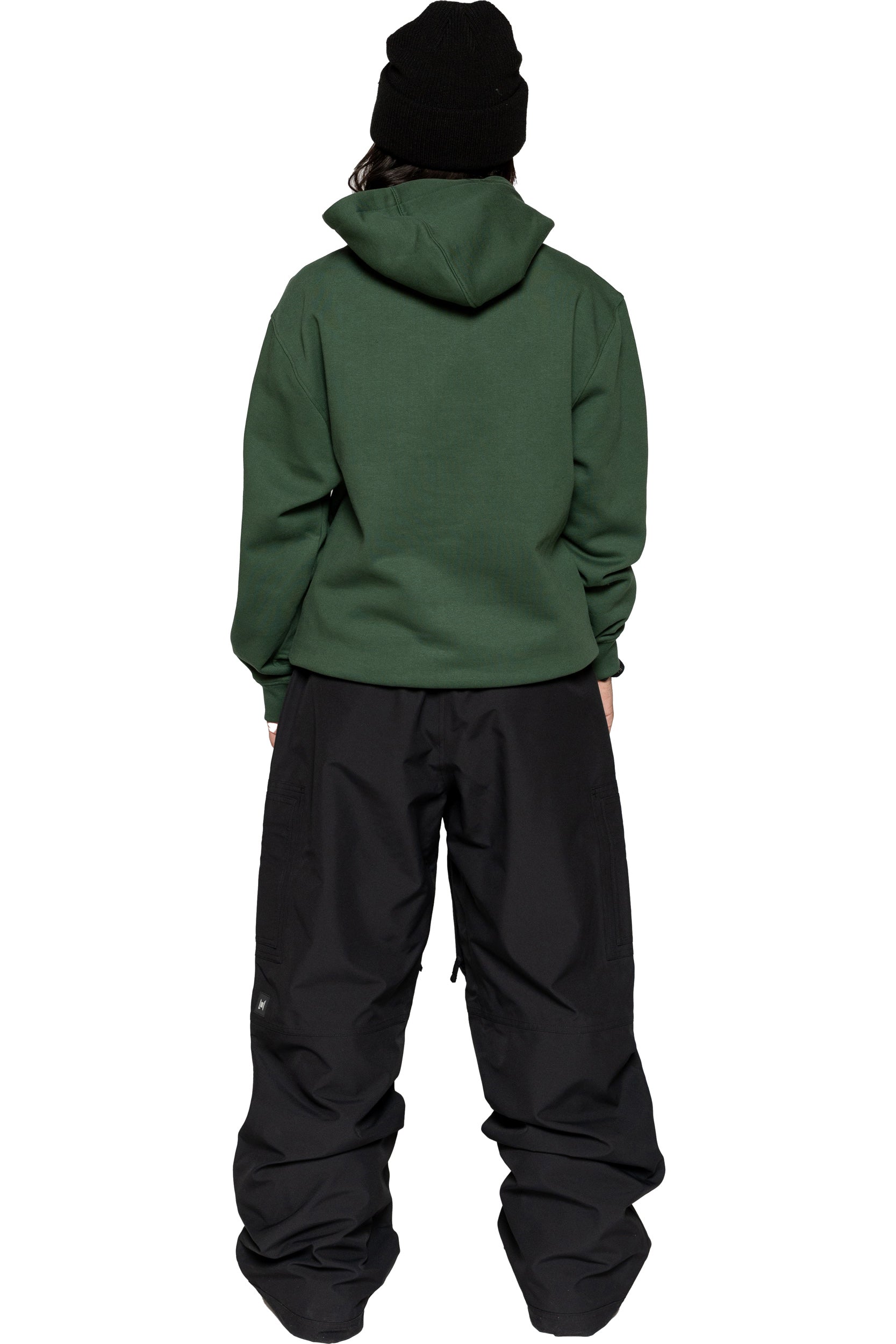
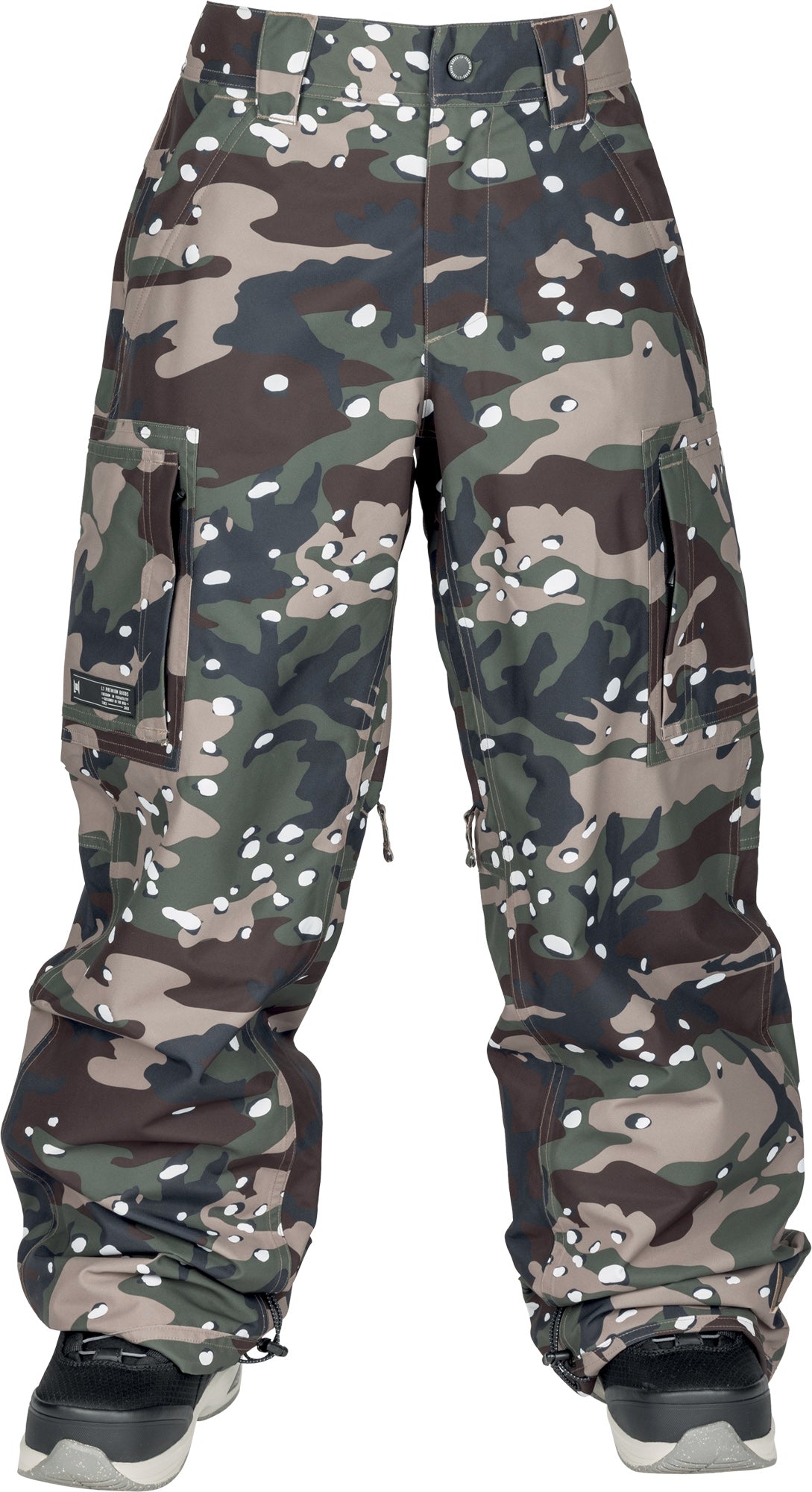
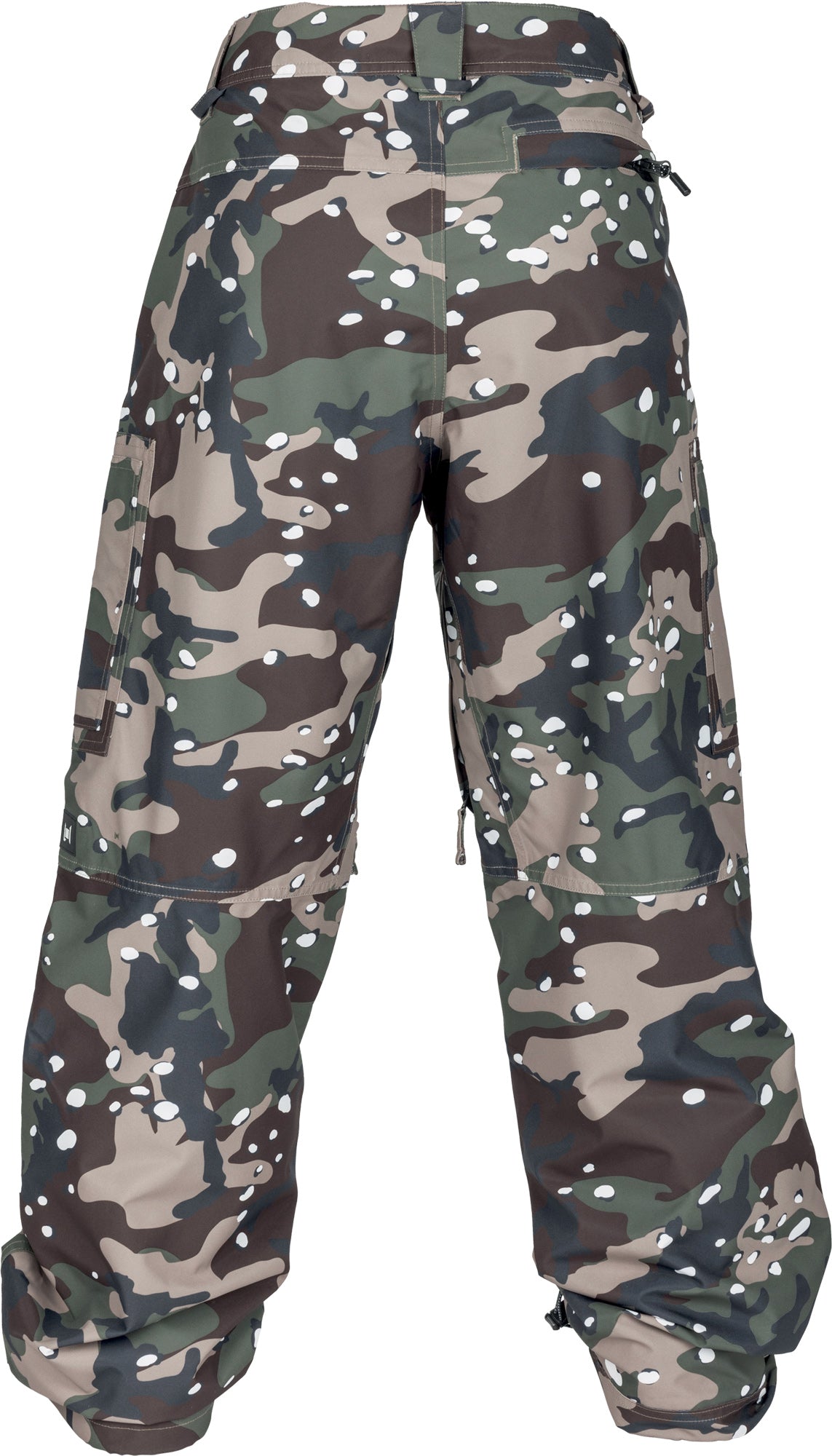
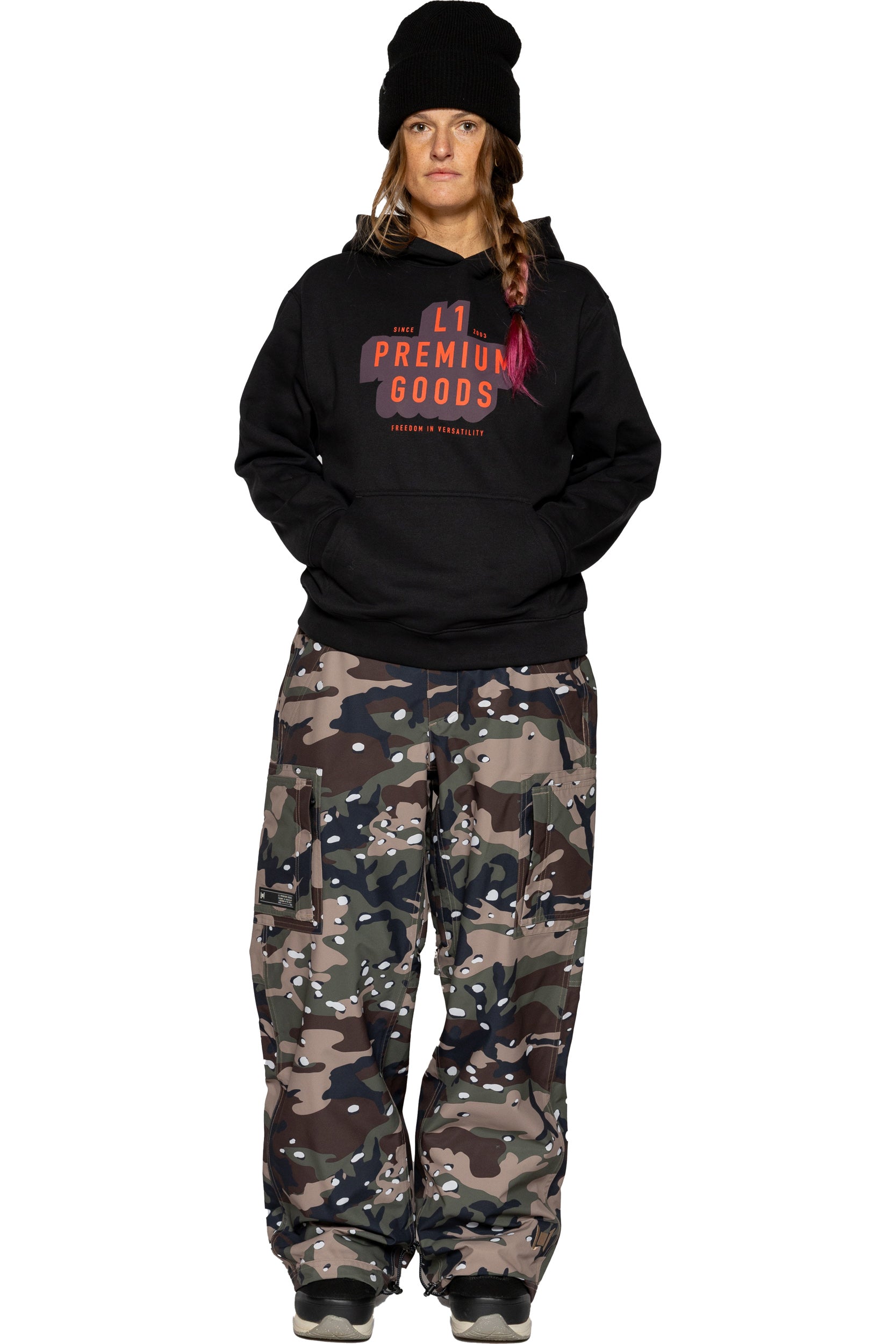
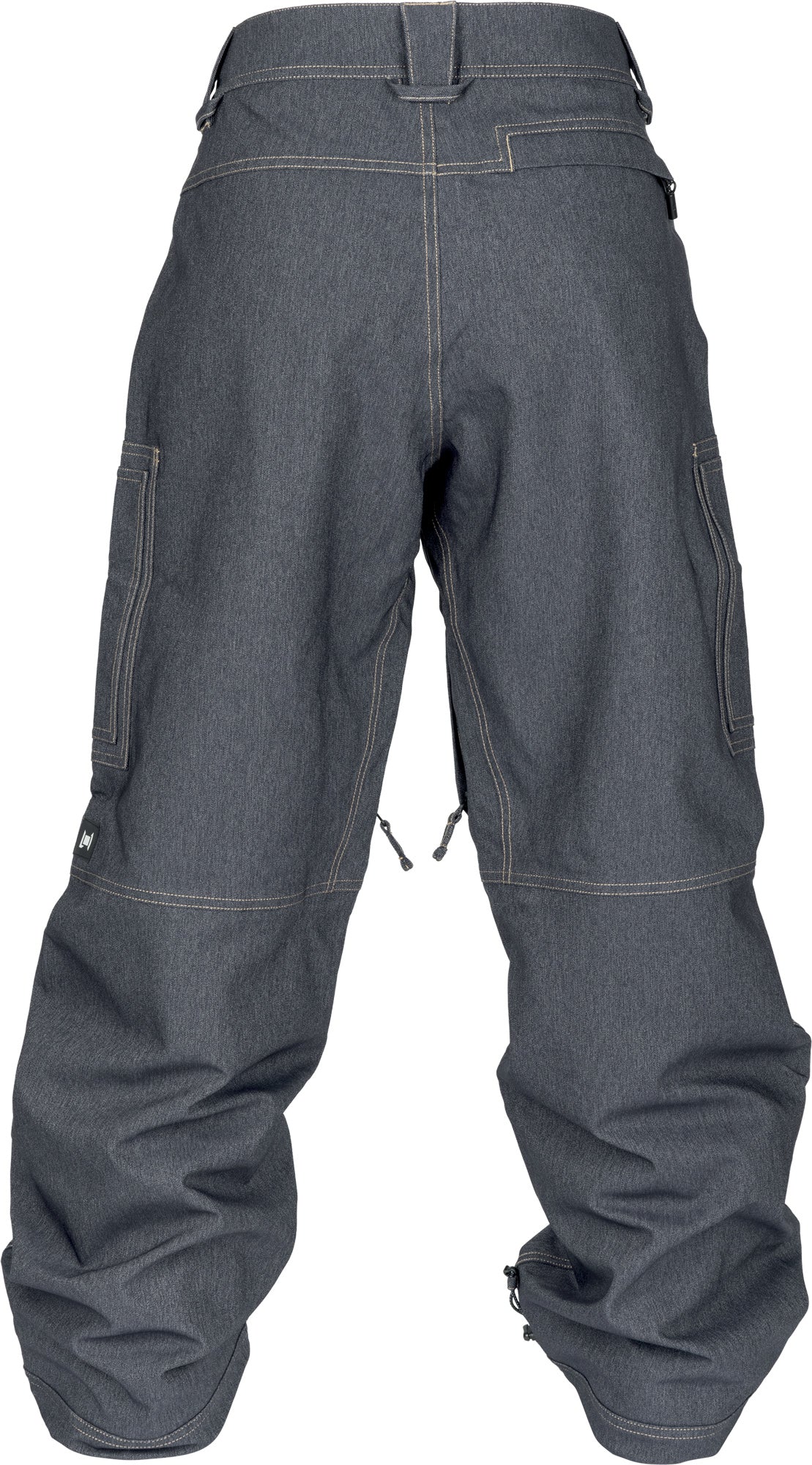
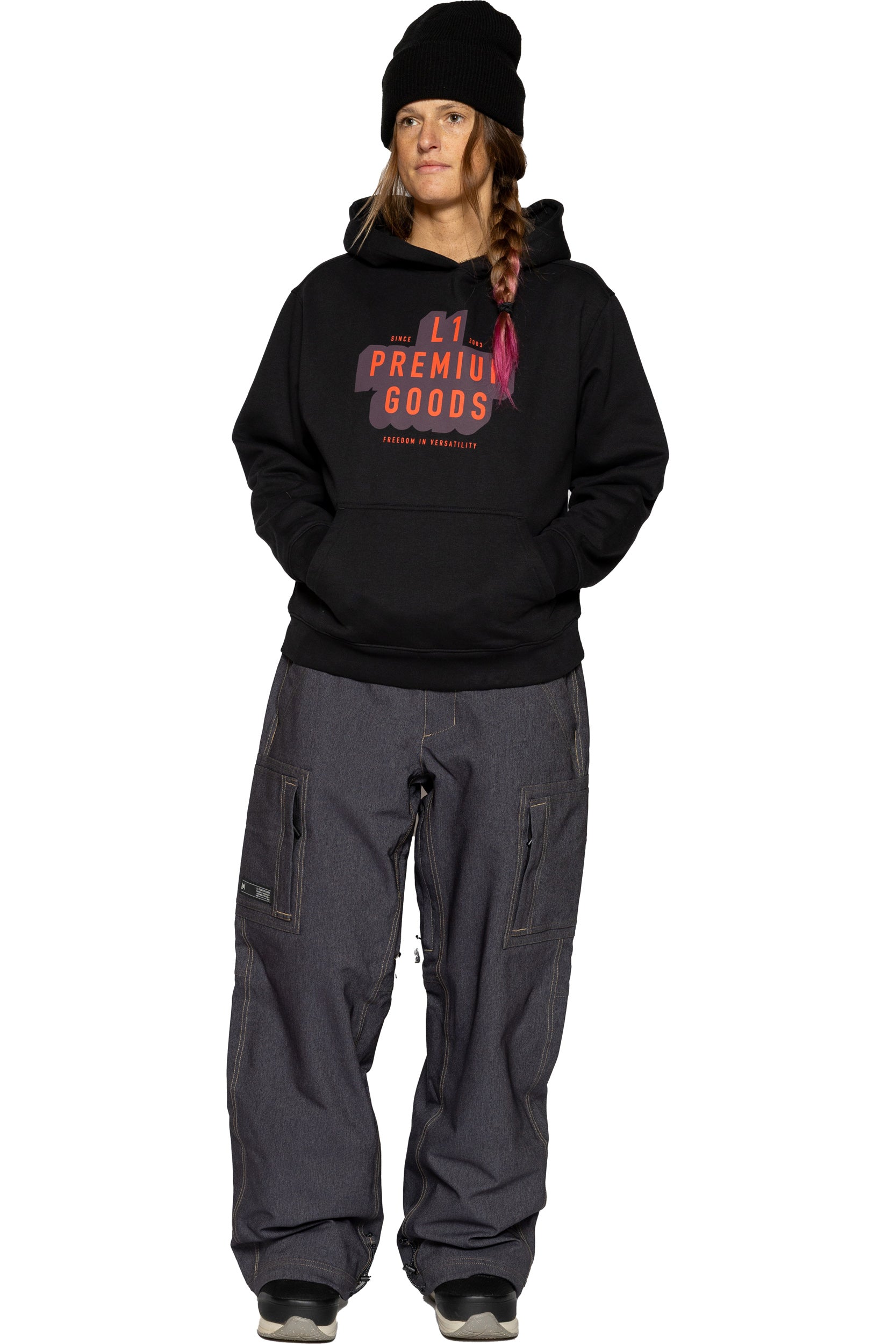
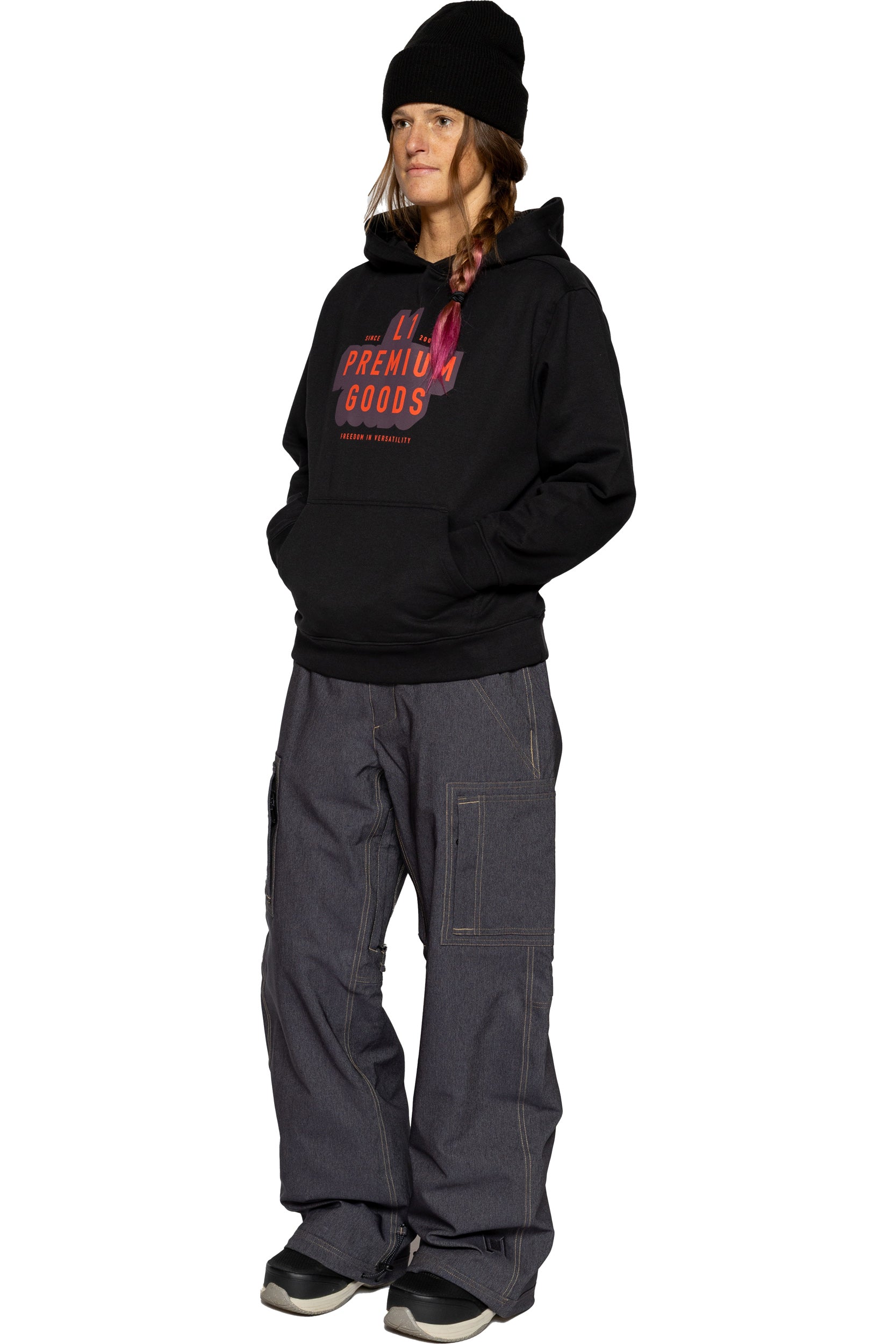
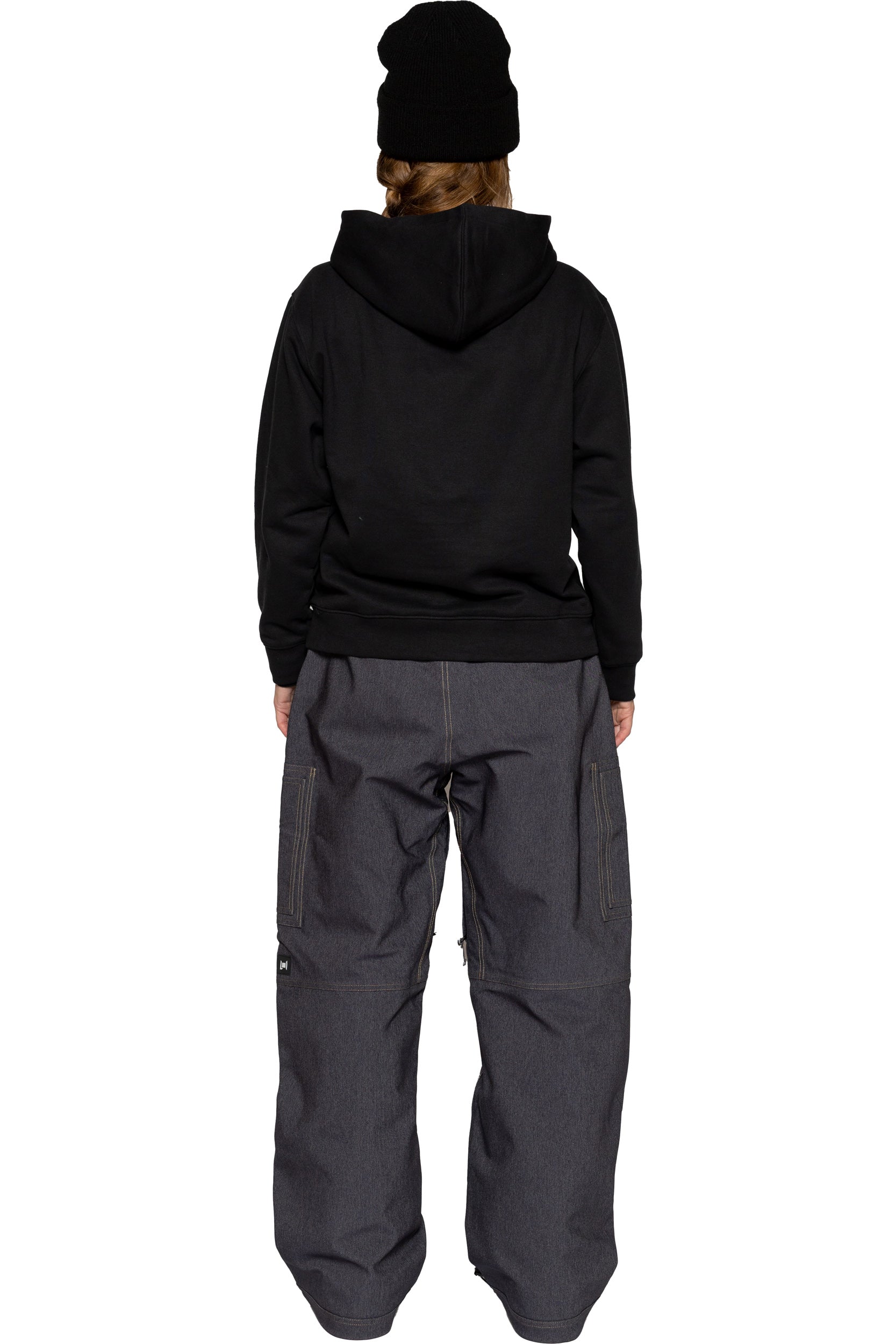
Introducing the new team favorite Fairfield Cargo pant, designed for riders who prefer a minimalist, baggy-fitting 90s-style cargo shell pant that can handle any terrain or weather. It is made with a lightweight 20K/20K 2-layer fabric (or 10K/10K denim) to keep you dry and looking good. The elastic cinching on the pant cuffs provides a modern silhouette and function sought by style-oriented and experienced riders everywhere.
Construction Details
Technical features
- Critically taped seams
- Shell
- 20K Waterproofness (Char, Black, Green Camo, Burnt Rose)
- 10K Waterproofness (Denim)
- 20K Breathability (Char, Black, Green Camo, Burnt Rose)
- 10K Breathability (Denim)
- Oversized fit
Sustainability Efforts
- PFC-free DWR
- Eco Yarn Lining
L1 Fairfield Cargo Women's Pant
Sale price0,00 €
Specifications

Critically taped seams
Main seams and areas with stitch lines are heat sealed with water-repellent tape.

Shell
Non-insulated garment, single layer, wind-resistant.

20K Waterproofness (Char, Black, Green Camo, Burnt Rose)
20,000mm Waterproofing

10K Waterproofness (Denim)
10,000mm Waterproofing

20K Breathability (Char, Black, Green Camo, Burnt Rose)
20,000g/mm/24h Breathability

10K Breathability (Denim)
10,000g/mm/24h Breathability

Oversized fit
Our roomiest fit, designed to fit baggy with a generous fit through the seat, thigh and a straighter leg opening.

PFC-free DWR
As part of our commitment to improving our environmental footprint we have entirely switched from C6 DWR containing hazardous PFC’s (per- and poly-fluorinated chemicals) to PFC-free DWR on all our fabrics and styles that require a DWR coating. The importance of a cleaner textile process is fundamental in our journey to reducing our environmental footprint.

Eco Yarn Lining
Our liners use an eco-friendly fabric—a waterless-dyed fabric produced without immersion in water. This process reduces CO₂ emissions and uses less energy to produce. It also helps improve the environmental balance of textiles throughout the product life cycle.


